The AASM Foundation is dedicated to advancing the career development of investigators who are new to the sleep field and expanding the number and breadth of researchers entering and remaining in the sleep field. The Career Development Grants provide essential support for promising researchers at pivotal stages of their careers and equip them with the skills and experience needed to launch a successful research career.
The AASM Foundation is proud to announce the recipients of the 2026 Career Development Grants (Cycle 1).
Bridge to Success Grant for Early Career Investigators Recipients
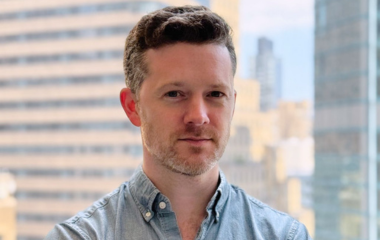
Cognitive behavioral therapy for insomnia versus positive airway pressure therapy for patients with co-morbid insomnia and sleep apnea: feasibility of a parallel group experimental design
ABOUT THE PROJECT
Treatment of comorbid insomnia and sleep apnea (COMISA) is challenged by the co-occurrence of two heterogeneous conditions. The endotype arousal threshold (ArTH) may inform therapy but needs prospective testing. This study will pave the way for an endotype-stratified randomized trial by recruiting patients with COMISA and low or normal ArTH to undergo either cognitive behavioral therapy for insomnia or positive airway pressure therapy.
PROJECT IMPACT
Dr. Tolbert is a rising expert in the use of precision sleep metrics—physiologic measurements derived from computer analyses of sleep study data. He hopes to lead pragmatic trials testing whether precision sleep metrics can inform the care of complex sleep disorders. Leading a pilot study of patients with co-morbid insomnia and sleep apnea (COMISA) will provide the experience and preliminary data needed to plan and lead a larger randomized trial.
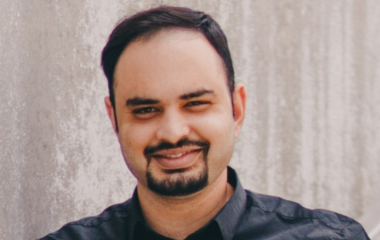
Sleep theta burst stimulation for improved prefrontal neuromodulation in depression
ABOUT THE PROJECT
Depression affects 280 million people worldwide, yet current treatments including transcranial magnetic stimulation (TMS) therapy help only half of patients. Using TMS, intra- and extracranial recordings in depressed patients, and real-time thalamocortical sleep-spindle-triggered closed-loop stimulation, I will test whether sleep-state TMS enhances prefrontal plasticity beyond wake-state protocols, advancing next-generation psychiatric therapies.
PROJECT IMPACT
Dr. Hassan hopes to learn whether sleep, particularly thalamocortical sleep spindles, provides an optimal window for delivering brain stimulation treatments that enhances prefrontal plasticity and treats psychiatric disorders more effectively than current wake-state protocols. This funding bridges a critical gap as he transitions toward a future as an independent investigator in sleep medicine.
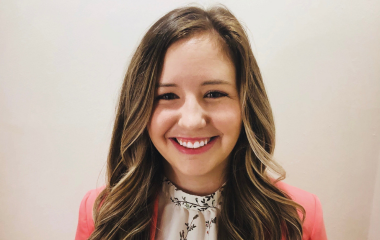
Untangling the effects of homeostatic sleep pressure and circadian timing on cognitive performance and food choice among adolescents with and without overweight/obesity
ABOUT THE PROJECT
Rates of U.S. pediatric obesity and restricted sleep are rising. Cognitive impairments following sleep restriction may relate to poorer behavioral health outcomes, particularly among adolescents with overweight/obesity. This project uses data from an in-laboratory forced desynchrony protocol to examine the influence of adolescent sleep and circadian rhythms on cognitive function, eating behavior, and BMI.
PROJECT IMPACT
The AASM Bridge to Success Grant for Early Career Investigators enhances the competitiveness of Dr. Stager’s K23 application and advances her career in pediatric sleep science in several ways. This grant allows her to demonstrate her ability to secure research funding, expand relationships with mentors, and advance her ability to run complex analyses of adolescent sleep and circadian processes, and deepen understanding of how these processes influence cognition and food choices.
Bridge to Success Grant for Mid-Career/Senior Investigators Recipient
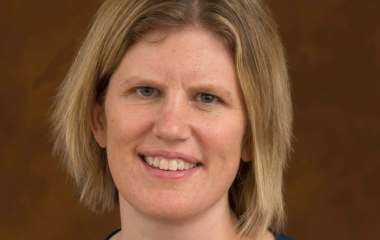
Infant Behavioral Sleep Intervention in Black Families
ABOUT THE PROJECT
Infant behavioral sleep intervention (BSI) is efficacious but may be less acceptable to Black families, supporting a need for tailoring or adaptation. This project will convene a stakeholder board to: 1) identify priorities & key outcomes for sleep research in Black families with young children; 2) conduct a survey of cultural differences and BSI acceptability within the US Black diaspora; and 3) inform future grant submissions on infant sleep.
PROJECT IMPACT
Sleep health disparities often begin in infancy, highlighting a need for culturally appropriate strategies to promote early sleep health in Black families. A stakeholder advisory board will identify research priorities and important outcomes to guide future work that is patient-centered and culturally informed. Bridge funding will provide critical support for a sleep researcher navigating the K-to-R transition in a challenging funding climate.
Focused Projects Grant for Junior Investigators Recipients
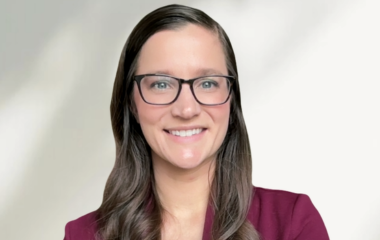
Investigating the Mechanisms of Restless Legs Syndrome: An Omics-Driven Approach for Identifying Biomarkers and Therapeutic Targets
ABOUT THE PROJECT
Restless Legs Syndrome (RLS) affects ~10% of people, worsens sleep/quality of life, and increases cardiometabolic and mental health risk, yet diagnosis relies on self-reported symptoms. Using large cohorts, this project will identify blood proteins linked to RLS, replicate across platforms, test diagnostic accuracy with machine learning, and relate biomarkers to genetic risk and pathways. This work is expected to identify objective biomarkers to improve diagnosis and guide therapies.
PROJECT IMPACT
Dr. Cederberg aims to identify and validate blood-based biomarkers that objectively indicate RLS, and clarify biological pathways, informing future trials and helping explain RLS heterogeneity and cardiometabolic comorbidity. AASM Foundation support will accelerate the transition to independence by expanding training in multi-omics, machine learning, and biomarker validation, enabling her to lead exercise-based trials and pursue NIH funding.
This grant is co-funded by the AASM Foundation and Restless Legs Syndrome Foundation.

Pulse oximeter and skin color
ABOUT THE PROJECT
Pulse oximetry is important for sleep-disordered breathing assessment. SpO2 vary according to skin color, sensor location, and processing. This study will compare both steady-state and transient desaturation during breath-holding using conventional and narrow-band pulse oximeters in the same individuals. We hypothesize that narrow-band pulse oximeters reduce melanin-related measurement differences across diverse skin tones including vitiligo.
PROJECT IMPACT
This project will help to evaluate current technology for SpO2 measurement, which defines sleep disordered breathing, and suggest solutions to suspected errors including those related to melanin. AASM Foundation support will advance Dr. Hamada’s training in human physiology and her career as an independent sleep researcher.
This grant is made possible by Resmed.