The AASM Foundation is pleased to announce and congratulate the 2025 SRS Foundation Small Research Grant Recipients! The AASM Foundation partnered with the SRS Foundation to fund five of these grants.
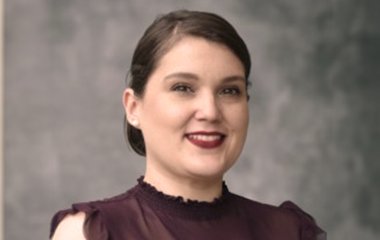 Priscilla Carmiol-Rodriguez, MS, M.Ed, BSN
University of Washington
Integrating Cultural Adaptation and Artificial Intelligence to Enhance Sleep Health in Hispanic Family Caregivers of Children with Neurodevelopmental Disorders
This project develops a culturally adapted, AI-driven intervention to improve sleep health among Hispanic family caregivers of children with neurodevelopmental disorders. By combining artificial intelligence with community-informed design, the study aims to create an accessible, personalized solution addressing sleep disparities in underserved populations. The research will generate preliminary data for future trials assessing efficacy and scalability, supporting applications for larger grants focused on health equity and technology-based interventions. Ultimately, this work seeks to advance culturally responsive strategies that reduce sleep health disparities and improve caregiver well-being.
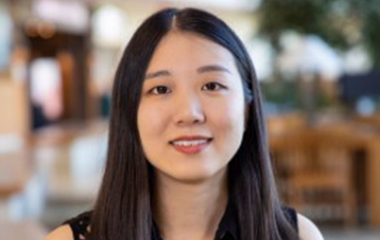 Chenlu Gao, PhD
Massachusetts General Hospital
Evaluating Actigraphy and Diary for Nap Detection in Older Adults
This project addresses a key methodological gap in sleep research by validating actigraphy and sleep diaries for detecting daytime naps in older adults. Accurate nap measurement is critical for studies linking napping to neurocognitive health, particularly in underserved populations. The study will compare actigraphy algorithms with EEG-based benchmarks to ensure rigor and reproducibility. Findings will strengthen the foundation for a K99/R00 application and future NIH grants, advancing research on sleep-related risk factors for cognitive decline and improving measurement standards for aging studies.
 KuangHua Guo, MD, PhD
Northwestern University
The Role of the Autonomic Dysregulation on Sleep Disruption in Chronic Pain
This pilot study explores how autonomic nervous system dysregulation contributes to sleep disruption in chronic pain patients. Using physiological monitoring, the project aims to identify mechanisms linking pain and sleep disturbances, which could inform targeted therapies. Preliminary data will support applications for NIH K23 and other career development awards. By clarifying autonomic contributions to sleep impairment, this research seeks to improve treatment strategies for chronic pain sufferers and advance understanding of sleep physiology in clinical populations.
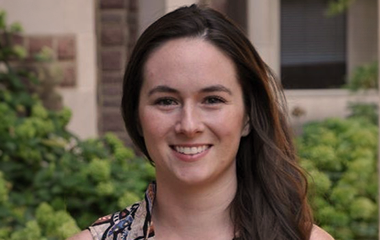 Hannah Maybrier, PhD
Northwestern University
Evaluating Memory Change in Older Adults Treated with CBTI
This study investigates whether cognitive behavioral therapy for insomnia improves memory in older adults. Combining remote sleep EEG with cognitive assessments, the project examines how behavioral sleep interventions influence sleep-dependent memory consolidation. Results will provide preliminary data for NIH K99/R00 applications and inform future trials integrating clinical and cognitive approaches. By bridging behavioral sleep medicine and experimental sleep engineering, this research aims to enhance cognitive health in aging populations and refine strategies for mitigating insomnia-related memory decline.
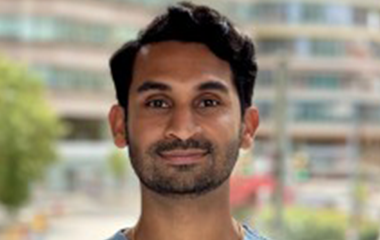 Akshay Tangutur, MS
Florida Atlantic University
Association Between Respiratory Effort During Sedated Endoscopy and 24-Hour Blood Pressure in Patients with Obstructive Sleep Apnea
This study investigates the link between respiratory effort during drug-induced sleep endoscopy and 24-hour blood pressure in patients with OSA. Preliminary data from 20 participants show moderate-to-strong correlations between increased respiratory effort and elevated mean arterial, systolic, and diastolic pressures. The project aims to expand enrollment to validate respiratory effort as a physiologic marker for cardiovascular risk, potentially outperforming traditional OSA severity indices like AHI. Findings could inform personalized treatment strategies and advance understanding of OSA’s cardiovascular consequences, supporting future high-impact publications and NIH career development grant applications.