The AASM Foundation is delighted to announce our 2025 Career Development Grant recipients for Cycle 2.
Thanks to the generous support of our donors, the AASM Foundation continues to accelerate scientific discovery and nurture tomorrow’s leaders in sleep and circadian research.
By supporting the AASM Foundation, you help early-career investigators expand knowledge, improve patient care, and build lasting careers in sleep research. Consider making a gift today to expand the impact of our grant programs.
2025 Bridge to Success Grant for Early Career Investigators Recipient
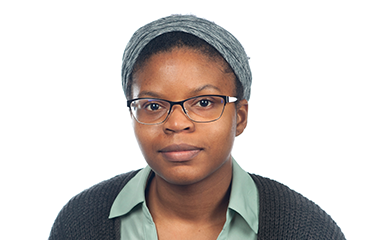
Black adults are at high risk of poor sleep health and Alzheimer’s disease (AD) and related dementias. This project will qualitatively assess barriers to and facilitators of sleep health and quantitatively examine the association between sleep health and biomarkers related to AD and related dementias in older Black adults. The project team will also assess the role of neighborhood conditions on sleep health and brain health to inform interventions.
2025 Bridge to Success Grant for Mid-Career/Senior Investigators Recipients
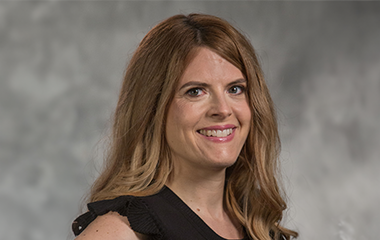
This project explores how thalamic stimulation influences sleep and epileptic activity using intracranial and implanted neurostimulation recordings. We will test how thalamic modulation affects both sleep and seizures. Findings will provide proof-of-concept for a novel therapeutic strategy, seizure control through sleep stabilization, with implications for improving outcomes in epilepsy and related neuropsychiatric disorders.

This project evaluates objective circadian timing and light sensitivity in adolescents with attention-deficit/hyperactivity disorder (ADHD) and controls to understand mechanisms underlying sleep deficits. Actigraphy, diary, questionnaires, neurocognitive tasks, pupillometry, and circadian phase assessment will be measured. The project team expects that reduced light sensitivity will be associated with circadian dysfunction. The measures will focus on poor sleep and clinical results, guiding sleep intervention strategies.

Influenza causes severe lung injury when immune responses are excessive or poorly timed. This project investigates how the body’s internal clock, or the “circadian clock,” within natural killer cells regulates inflammation and lung repair after infection. The project team expects to identify timing-specific mechanisms that can be leveraged to mount host-protective responses to severe respiratory infections.
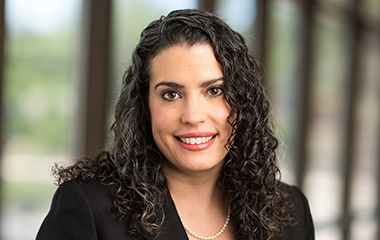
Postpartum depression (PPD) affects about 1 in 5 women, yet most do not receive treatment. This project tests the feasibility, acceptability, and real-world implementation of 5-weeks of wearable morning bright light therapy for PPD. Scalable sleep and circadian markers of treatment response will be tested. Findings will inform a future large-scale trial aimed at improving access to non-pharmacological circadian-based treatments for PPD.
2025 Physician Scientist Training Grant Recipient
Many people with frontotemporal dementia struggle to sleep, long before memory loss begins. This project explores why, focusing on a sticky brain protein called tau that builds up and disrupts rest. Using a new treatment that gently “rewrites” tau’s message, the project team will test whether restoring balance can restore healthy sleep in a dementia mouse model and potentially offer hope that better sleep could slow the disease itself.