
Funded Projects
The AASM Foundation funds high-impact projects that are aimed at improving sleep health for all. Over the past 23 years, the AASM Foundation has invested more than $21 million in funding career development, high-impact research, clinical training and community initiatives. These cross-cutting sleep projects range from molecular mechanisms of sleep to population sleep health.
Congratulations to the recipients of our 2022 grant cycle.
2022 Bridge to Success Grant Recipients
Epidemiologic studies have found an association between habitually short sleep duration and cardiovascular/metabolic disease. Whether short sleep duration contributes to vascular and visceral adipose tissue inflammation is unknown. Arterial vascular inflammation is a key prognostic indicator of future cardiovascular events, and increased visceral adiposity is associated with atherosclerosis and cardiometabolic disease. This project proposes a pilot observational study to investigate whether objectively measured (habitual) short sleep duration is associated with increased vascular and visceral adipose tissue inflammation using multi-modal hybrid PET/MR imaging.
This project examines the effects of meal times on metabolic health. Specifically, we looked at how the body processes glucose and fat before or after the brain secretes melatonin (which happens each evening at different times for different people). This information can help us to determine if and how eating late in the evening might contribute to obesity or diabetes. This grant was designed to set up the experiments, and was successful in setting up a larger trial that is now underway.
2022 Focused Projects Grant for Junior Investigators Recipients
What is a ‘normal’ or ‘optimal’ amount of slow wave sleep? Is regular sleep associated with hypertension and diabetes? Via prediction modeling and other methods applied to the National Sleep Research Resource, a data repository of ~15,000 overnight sleep studies, this project will: 1) generate reference values for slow wave sleep; and 2) identify ir/regular sleep sub-types and estimate differences in health risk to assess whether regular bed and wake times may be beneficial for health.
Increasing evidence implicates delayed circadian rhythms in obsessive-compulsive disorder, suggesting circadian medicine may hold promise as a novel OCD intervention strategy. Using a randomized controlled trial, this project will examine whether a light-based intervention to stabilize and advance circadian phase will decrease OCD symptoms in adults with OCD with delayed bedtimes. Results will inform etiological models of OCD and provide insight into the utility of targeting delayed circadian rhythms in OCD treatment.

Physiological dynamics during the sleep onset process may represent important biomarkers characterizing sleep pathophysiology. However, the direct and temporal associations between these physiological dynamics during sleep onset and subsequent sleep quality remain unclear. The proposed project using the National Sleep Research Resource database aims to better understand the physiology of the wake-sleep transition, and provide novel information regarding pre-sleep physiology, hyper-arousal, and sleep-onset.
This study seeks to characterize the transactional nature of daily fluctuations in child behavior and child sleep, while examining moderating variables (parenting behaviors, parent sleep, and child arousal/heart rate variability) that may influence their relationships among children with Oppositional Defiant Disorder. Clarifying these associations and their moderators has the potential to better inform and design interventions regarding both child sleep and behavior problems.
This project focuses on the effects of continuous positive airway pressure (CPAP) therapy on circulation. The team will conduct a prospective study to identify longitudinal changes in diastolic function and pulmonary circulation by CPAP therapy in people with heart failure and obstructive sleep apnea (OSA). Additionally, the project aims to characterize responders to CPAP therapy. The finding will help find out how CPAP impacts our circulation and subgroups who may benefit more than others.
The relationship between Alzheimer’s disease (AD) and daytime sleep or nap is unclear, especially in middle-to-older aged adults. This project will test whether actigraphy-measured napping is cross-sectionally associated with cognition and prospectively associated with incident dementia/AD in a sample of ~99,000 participants. Findings will improve the understanding of risk factors for cognitive impairments in the aging population and help identify people at elevated risks of dementia at early stages (e.g., shift-workers with frequent and irregular naps).
Sleep loss and circadian disruption (CD) often occur concurrently and are both associated with increased risk of cardiovascular disease. By analyzing 24-hour heart rate variability in participants during exposure and recovery to 3 weeks of CD with or without concurrent sleep restriction, the project will test the hypotheses that CD with sleep restriction causes increasing parasympathetic withdrawal over the course of exposure, and that these effects are partially mitigated during CD without concurrent sleep restriction.
2022 Physician Scientist Training Grant Recipients
Intracerebral hemorrhage is a common stroke subtype that is associated with significant impairment and mortality. Obstructive sleep apnea is a risk factor for ischemic stroke, but the relationship between intracerebral hemorrhage and obstructive sleep apnea has not been well established. This is an observational study of 20 intracerebral patients in which ambulatory polysomnography will be performed in the acute setting to assess the prevalence of obstructive sleep apnea as well as phenotypic and functional/cognitive outcomes data.
Sleep-disordered breathing is common in patients with heart failure. Though systolic dysfunction is known to contribute to sleep-disordered breathing pathophysiology, the potential effect of left ventricular diastolic dysfunction remains relatively unexplored. This study will examine the pathophysiologic traits of sleep-disordered breathing in patients with left ventricular diastolic dysfunction using computational analyses of sleep studies. The study hypothesizes that greater left ventricular diastolic dysfunction severity will associate with more unstable ventilatory control and a greater burden of central (relative to obstructive) respiratory events.
2022 American Board of Sleep Medicine Junior Faculty Grant Recipients
Continuous positive airway pressure virtually eliminates obstructive sleep apnea, but many patients struggle to use continuous positive airway pressure treatment, especially those with a low arousal threshold (waking up too easily). Using a placebo-controlled pilot trial, this study will test the hypothesis that 2 weeks of eszopiclone (a hypnotic increasing the arousal threshold) can improve CPAP adherence, especially in low arousal threshold patients. This line of research may eventually improve the obstructive sleep apnea management of millions of currently undertreated patients.
Hypoglossal nerve stimulation for obstructive sleep apnea is increasingly utilized in continuous positive airway pressure intolerant patients. However, up to 33% of hypoglossal nerve stimulation patients have an inadequate response to therapy. Successful hypoglossal nerve stimulation therapy is predicated on overcoming upper airway collapse, but this metric is not part of selection criteria. This study aims to assess airway collapsibility (Pcrit) with and without genioglossus stimulation. The project team predicts that low baseline and large changes in Pcrit with genioglossus stimulation is associated with successful hypoglossal nerve stimulation.
2022 Community Sleep Health Grant Recipients
Legislation to end biannual clock change is active but often in favor of permanent Daylight Saving Time despite scientific and medical position papers supporting permanent Standard Time. Lack of education and understanding of the many and complex impacts of Clock Change policies leads to misuse of data and hinders advocacy. This grant supports the creation of videos about the science of clock change to educate the public and to assist with advocacy efforts.
Despite high rates of sleep problems, sleep health among children in foster care is largely ignored. Guided by implementation science, semi-structured interviews with 35 foster-care agency personnel will assess sleep knowledge and strategies for delivering sleep health education. Findings will inform the development of an evidence-based sleep health education program for foster-care agency personnel, including strategies to support children and foster caregivers, offered by the lead organization, Pajama Program.
The cost of health insurance is an issue for many patients around the country, including patients in the New Haven, Connecticut community. Continuous positive airway pressure (CPAP) devices are expensive and require ongoing maintenance. Uninsured patients with sleep apnea often cannot afford treatment and consequently fail to start therapy. The Compassionate CPAP Service will identify uninsured and underinsured patients and provide PAP equipment assistance to help offset costs of sleep apnea therapy.
It is standard practice for patients who are receiving home parenteral nutrition (HPN), the provision of nutrients intravenously, to receive nutrition overnight, coinciding with sleep. Consequently, poor sleep is common among HPN users. The goal of this community health grant led by a multidisciplinary team of scientists and patient representatives is to support the sleep of patients receiving HPN by developing, disseminating, and promoting sleep health educational resources for this patient population and their clinicians.
2022 Strategic Research Grant Recipients
Blattner’s research recognizes that the current and most common methodology of diagnosing IH, a polysomnogram (PSG) and multiple sleep latency test , may have poor sensitivity, specificity, and reliability. Better diagnostic tools and more focused biomarkers are needed to improve the accuracy and utility of IH diagnoses. To address this, Blattner will test the sensitivity and specificity of using ambulatory sleep EEG technology as a novel protocol for diagnosing IH.
Each year, approximately 300,000 American children undergo adenotonsillectomy to treat obstructive sleep apnea (OSA), and many children have residual OSA requiring treatment. While in-lab PSG is the only test supported for the evaluation of OSA for children, preliminary data shows that type II HSAT including EEG may be an alternative to in-lab pediatric PSG. Cielo’s research will compare the diagnostic accuracy of type II HSAT with PSG for evaluating OSA.
Melatonin is frequently used by families and recommended by U.S. primary care physicians for pediatric sleep problems. However, melatonin safety information is limited, and formal clinical guidelines are lacking. Ricketts’ project will examine pediatric melatonin use, perceived effects and safety, behavioral and clinical patterns of use, and provider practices.
Chronic insomnia is a health concern, especially among a special population of vulnerable people with homelessness and substance use disorders (SUDs). Insomnia, which is nearly ubiquitous SUDs, undermines recovery efforts regardless of the type of substance used. This project focuses on behavioral intervention targeting insomnia which may potentially improve SUD treatments and outcomes.

Magalang’s project identifies three reproducible obstructive sleep apnea (OSA) symptom subtypes: excessively sleepy, disturbed sleep, and minimally symptomatic. While many previous studies have focused on non-sleepy subjects, this research aims to determine the longer-term (6 months) effect of s continuous positive airway pressure (CPAP) therapy outcomes in OSA subjects with the excessively sleepy symptom subtype.
The most common treatment for OSA is continuous positive airway pressure therapy CPAP, but patient adherence remains challenging. Scientists have recently developed and tested the feasibility of a clinically focused mobile health application called SleepWell24 to support CPAP adoption and adherence. This project addresses this adherence issue by enhancing SleepWell24 into a precision medicine, adaptive, lifestyle-based intervention that optimizes long-term CPAP adherence and health-related quality of life in patients newly prescribed with CPAP.
The apnea-hypopnea index (AHI) is the most commonly used system to measure the severity of OSA. However, hypopnea scoring methodology leads to variations in AHI definition across studies, which causes variations in the estimated associations with outcomes. Azabarzin hopes to reduce this phenomenon by analyzing OSA observational cohorts and randomized controlled trials of CPAP to characterize the respiratory events that are most responsible for adverse outcomes in OSA.
Dr. Saconi’s research aims to enhance long-term positive airway pressure (PAP) adherence among Spanish-speaking Hispanics, a group with known PAP outcomes disparities. This study will linguistically and culturally adapt an efficacious tele-management intervention for Spanish-speaking Hispanic adults with OSA through stakeholder engagement working groups. The automated two-way, interactive communication is algorithmic based on PAP use and behavioral profiles defined at baseline.

Zhou’s project will address social relationship health challenges in children with central disorder of hypersomnolence, which is a domain not effectively managed by medications alone. The project consists of two phases; Phase 1 will develop a website to help families and children with narcolepsy and/or idiopathic hypersomnia (IH) understand social health challenges, and Phase 2 will consist of a study to inform a randomized controlled trial which tests the impacts of their website.
AASM Foundation and CHEST Foundation Research Grant in Sleep Medicine
2022-2023 SOAR Fellows
2022 AMA Foundation Physicians of Tomorrow Scholarship Recipients
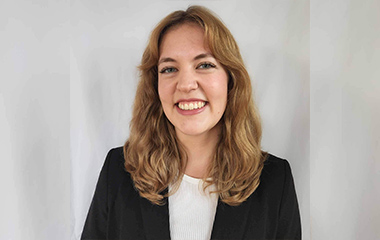
Sophia is a fourth-year medical student at Harvard Medical School. She attended the University of Colorado Boulder, where her interest in sleep medicine was first cultivated through her involvement in the Sleep and Development Laboratory. She studied sleep and emotion regulation across early childhood and ultimately earned a master’s in integrative physiology. In medical school, Sophia has continued to pursue sleep research by designing an original investigation of chronopharmacology and time-of-day recommendations in outpatient hospital pharmacies. She intends to apply for an internal medicine residency position, through which she aims to expand the application of circadian rhythms in clinical settings with innovative research and education projects—both in academic settings as well as at the patient bedside.